What's Actually Inside a Nicotine Pouch (And What Isn't)
There isn't a shred of tobacco leaf in anything we sell, even though our shop is named after snus, which is cured, ground tobacco leaf. I get asked all the time what's in the little white bag instead, so let's go through a pouch part by part.
The bag itself
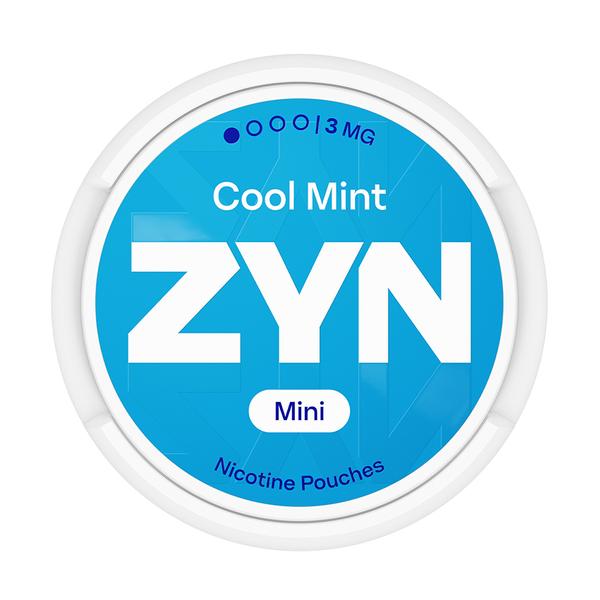
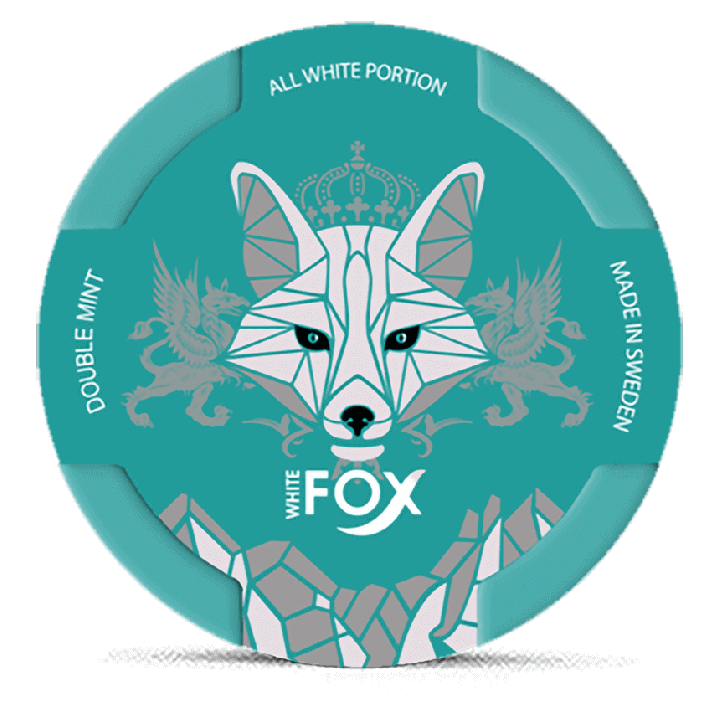
The part you can see is the pouch itself, a soft, non-woven fleece. It's closer to a tea bag than anything else, and it does roughly what a tea bag does: it holds everything together and lets a little moisture through. It isn't flavored and it isn't the active ingredient, but it's the reason the pouch sits neatly under your lip instead of turning to mush. A White Fox pouch and a ZYN Mini use slightly different fleece and sit a little differently in your mouth. That's part of why two pouches at the same strength can feel different before anything has even been released.
The filler
Almost all of a pouch's weight is filler. It's plant fiber, usually a form of plant cellulose, sometimes with a little gum or salt mixed in. The filler gives the pouch its body, so it feels dry and soft instead of empty. A lot of people assume the bulk is tobacco, but there's no leaf in it at all. If you've ever wondered how a tobacco-free pouch can feel so much like the snus it came from, the filler is the reason. I went into how the two are related in our post on why pouches and snus aren't the same thing.
The nicotine
The nicotine is added as a nicotine salt, not as loose leaf. The number printed on the can (3, 6, 12, and on up to 30mg with Pablo Exclusive) is how much went in. It's the most important thing on the can, and the thing people tend to read last. If you're not sure what the milligrams mean, our strength guide explains them. If you're brand new to pouches, start lower than you think you need to, and read our beginner guide first.
The pH adjuster
Nobody talks about this ingredient much, but it explains a lot. Most pouches include a base, often something like sodium carbonate or bicarbonate, to raise the pouch's pH. Changing the pH changes how the nicotine is released. That's the real reason two pouches both labeled 6mg can feel completely different: the number on the can is the same, but the release in your mouth isn't, and the label can't show you that. You're not imagining it, and it isn't marketing. Our strength guide goes into this too, because "it feels stronger than the number" is the email I get most often.
Flavor and sweetener
Flavor is the fun part, and the part doing the least. It comes from flavorings plus a sweetener, which is almost always a sugar-free one. That's where mint, cola, coffee, cherry and the occasional pine-forest oddity come from. It's also purely cosmetic, and I'll keep saying that until it sticks: the flavor doesn't tell you the strength, the milligrams do. A 30mg pouch with a dessert name isn't gentle just because it tastes like cheesecake. If you want to know how brands handle mint specifically, our mint guide sorts out peppermint, spearmint and menthol.
The moisture
Last, there's a little moisture and a humectant to hold onto it. Without that, a pouch dries out like chalk and the flavor goes flat, which is why a stale can is such a letdown. It's also why heat and time dry pouches out, and why you should keep your cans sealed and stored somewhere sensible. Our post on whether pouches expire has the longer version.
So what's actually in there
Put it together and a nicotine pouch is fiber, nicotine, a pH adjuster, flavor and a bit of moisture in a fleece bag. It has no tobacco leaf, and there's no smoke or spitting. I'm only describing what it's made of here, and I'm not making any claim about what it does to you. For the actual contents and testing of what we stock, see our lab results page.
Every can is $9.99, whatever the flavor or strength, whether it's a clean mint from White Fox or something stranger from Iceberg.
WARNING: This product contains nicotine. Nicotine is an addictive chemical.